
Whale Watching in Newfoundland That Supports Research | Sea of Whales
Whale watching in Newfoundland is more than an unforgettable experience; it’s an opportunity to contribute to meaningful research and conservation.
In recent years, there has been a growing shift toward regenerative tourism. This approach looks at travel as a way to support thriving communities and care for the natural environments we all depend on. Rather than focusing solely on growth, this mindset encourages a more thoughtful balance, where tourism contributes to the wellbeing of people, places, and ecosystems. It’s about moving forward with intention, creating meaningful experiences while helping to protect and sustain the places we love for future generations.
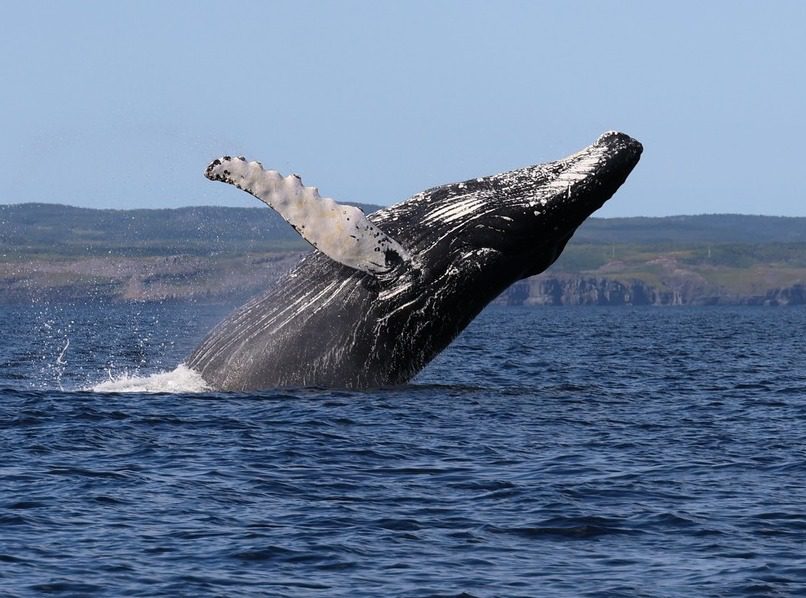
How Our Whale Watching Tours Support Research
Whale research requires time on the water, which can be costly and often limits how long research teams are able to stay in an area. At Sea of Whales Adventures, our tours help support this work by making it possible to spend more time on the water, contributing valuable observations and data throughout the season.
During our whale watching tours in Trinity Bay, we collect important data such as photo identification, sightings, behaviour, and even recordings of whale sounds. This has helped us contribute valuable information to global studies on whales, dolphins and other species in Newfoundland’s coastal waters.. We have co-authored scientific papers, advised on research in our area, and, with every trip, we continue to gather more data and learn more about these animals.
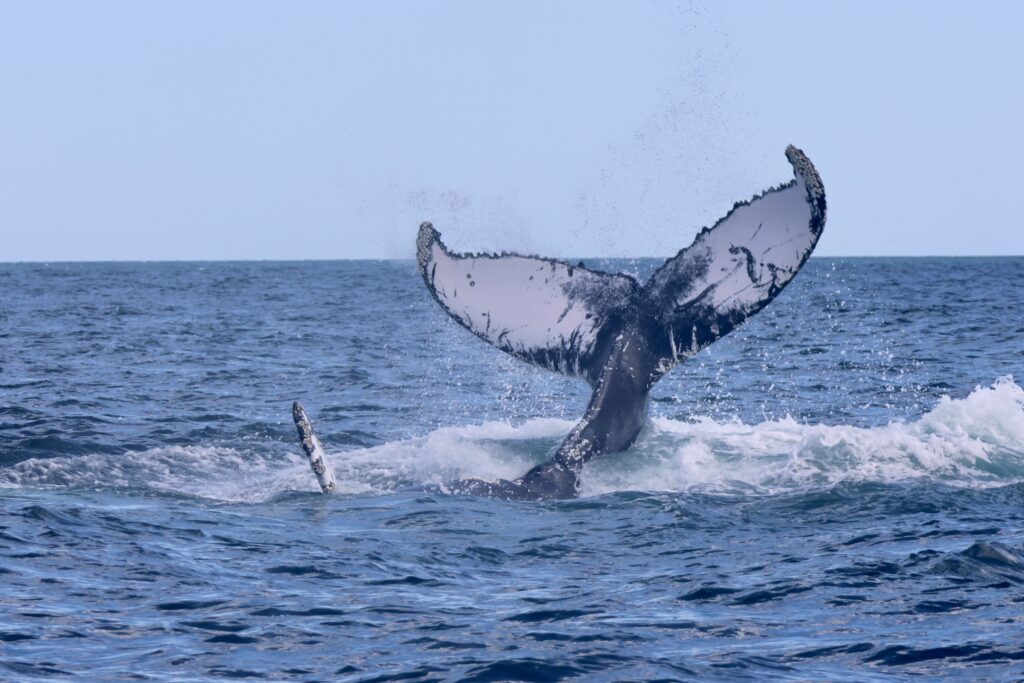
When our family travels, we’re drawn to experiences that offer something meaningful beyond the moment. We love supporting businesses that take a thoughtful approach; ones that give back, care for their surroundings, and create a positive impact alongside memorable experiences. That’s what ecotourism means to us.
At Sea of Whales Adventures, we put this approach into action by collecting data and sharing what we learn with our visitors and research teams around the world. Recently, we uploaded 1,200 individual humpback whales from our catalogue to HappyWhale, an AI system that helps match and track whales. These have already led to some exciting matches! We’re eager to see what more we will discover.
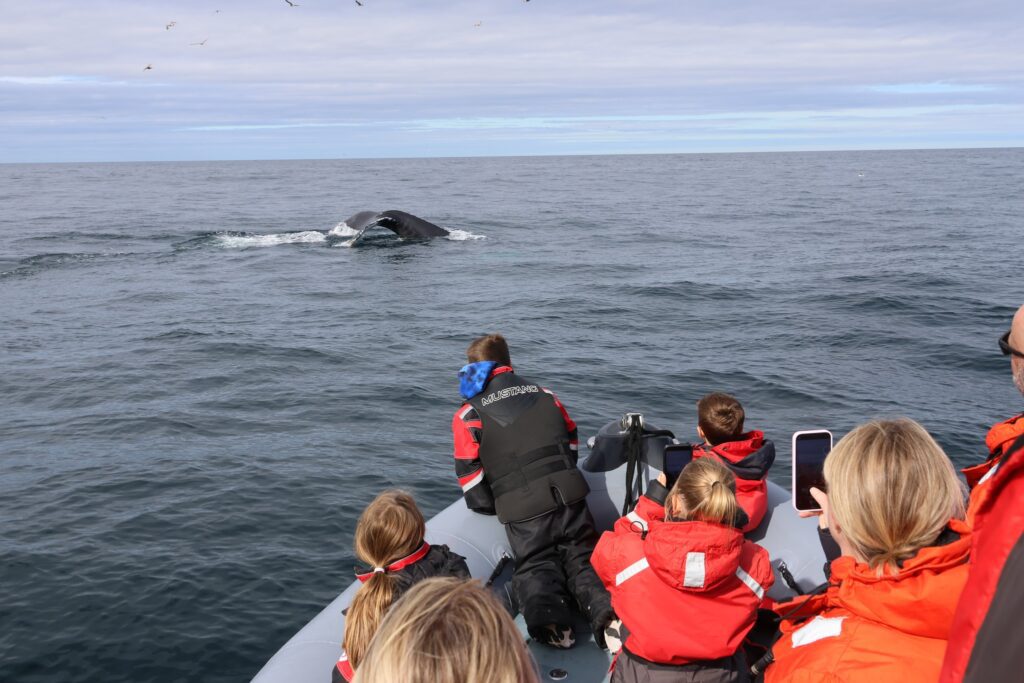
In the past year, our data has been used for at least four research papers, in which we were credited as co-authors, and there are more on the way. We also have large amounts of data collected over the past 20 years that we are only beginning to explore.
Your tours contribute too!
It’s a privilege to spend our days on the water with these animals, collecting information that helps tell their stories. Stay tuned for our upcoming podcast, where we’ll share the work of the research teams we’ve collaborated with and what we’ve learned together. We are just getting started!
Make your Newfoundland vacation more meaningful with a whale watching tour that supports real research. Join Sea of Whales Adventures in Trinity Bay and experience whales up close while contributing to global conservation efforts.
This entry was posted in Sea of Whales Blog by Sea Of Whales Adventures. Bookmark the permalink.